Passage:
"But writing discovered how to trap the ‘winged words’ of speech. It domesticated the flowing sounds of speech to a degree" (page 302)
Persevering Our Thoughts
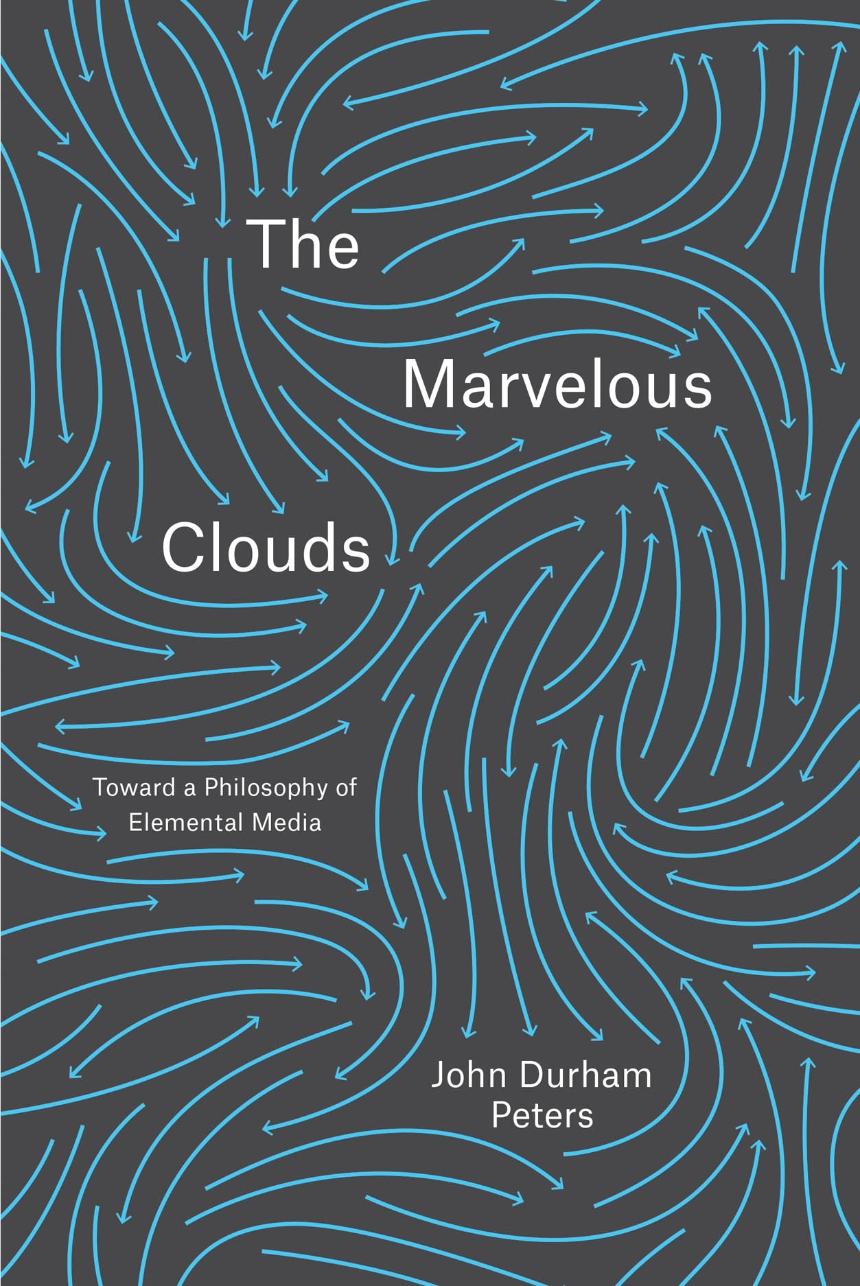
In Chapter 6 of The Marvelous Clouds, John Durham Peters offers a strong argument concerning the essential nature of writing. This excerpt suggests that writing is more than just a useful tool for recording speech. Instead, Peters considers it a fundamental method of human civilization. Writing allows people’s thoughts to be preserved beyond space and time, resulting in a major change from internal memory to external fact.
This quote further emphasizes this idea that spoken language is an event in time, but writing turns it into an object in space. By using Homer’s classic term "winged words," Peters emphasizes the temporary, uncontrolled quality of spoken language. Unwritten speech is directly related to the body, breath, and a particular physical moment. Spoken words exist for a split second, and then vanish unless they are preserved by human memory. Writing functions as a cage, "trapping" words and freezing people’s thoughts before they are lost forever.
I completely agree with Peters’ point since spoken language is lost the moment it leaves our lips. Without writing, spoken words would be restricted to physical presence and limited human memory. Writing "domesticates" speech by transforming rapid, chaotic sound into visual symbols that can be saved, arranged, and examined. Domesticating sound includes separating a continuous spoken language into controllable parts such as letters, words, and punctuation. This change from a brief sound to permanent text is exactly what allows human civilization to create history, complex institutions, and long-term knowledge across vast temporal and physical barriers.
This passage strongly reminds me of James W. Carey’s essay “Harold Adams Innis and Marshall McLuhan,” where Carey explores how media shape the structure of society. Innis argued that media oriented toward durability or portability shape how civilizations regulate space and time. Innis observed that spoken language can only travel short distances and fades quickly in the absence of physical proximity, which clearly links to Peters’ claim that speech is connected to the present. Meanwhile, McLuhan stated that a medium is an "extension of man" that completely alters the human senses. Writing is more than just a medium for content; it also rewires how we process our experiences. Both Innis and McLuhan agreed on the fundamental principle that "the things on which words were written down count more than the words themselves" (Carey p. 8). Just as Innis saw papyrus and paper as political infrastructure, and McLuhan saw literacy as a new sensory environment, Peters demonstrates that writing is the fundamental technology that converts live human speech into administrative data and structured thought.
In conclusion, Peters encourages us to stop taking writing for granted as a passive background activity. We often believe that writing just records our thoughts, but Peters reminds us that it is an active domesticating process, one that detaches words from the live body and permits them to persist long after the speaker is gone. Writing not only provided us with literature, but it also served as the logistical framework for human culture.